

The Shift Toward Sensory-First Hospitality Design
Walk into a well-designed luxury hotel lobby today and the first thing you register isn't a massive chandelier or a bold monogram. It is the immediate hush: acoustic wool panels absorbing ambient sound, the reassuring weight of a solid brass door handle, the cool density of a natural stone reception desk under your palm. Luxury has stopped announcing itself visually and started confirming itself physically.
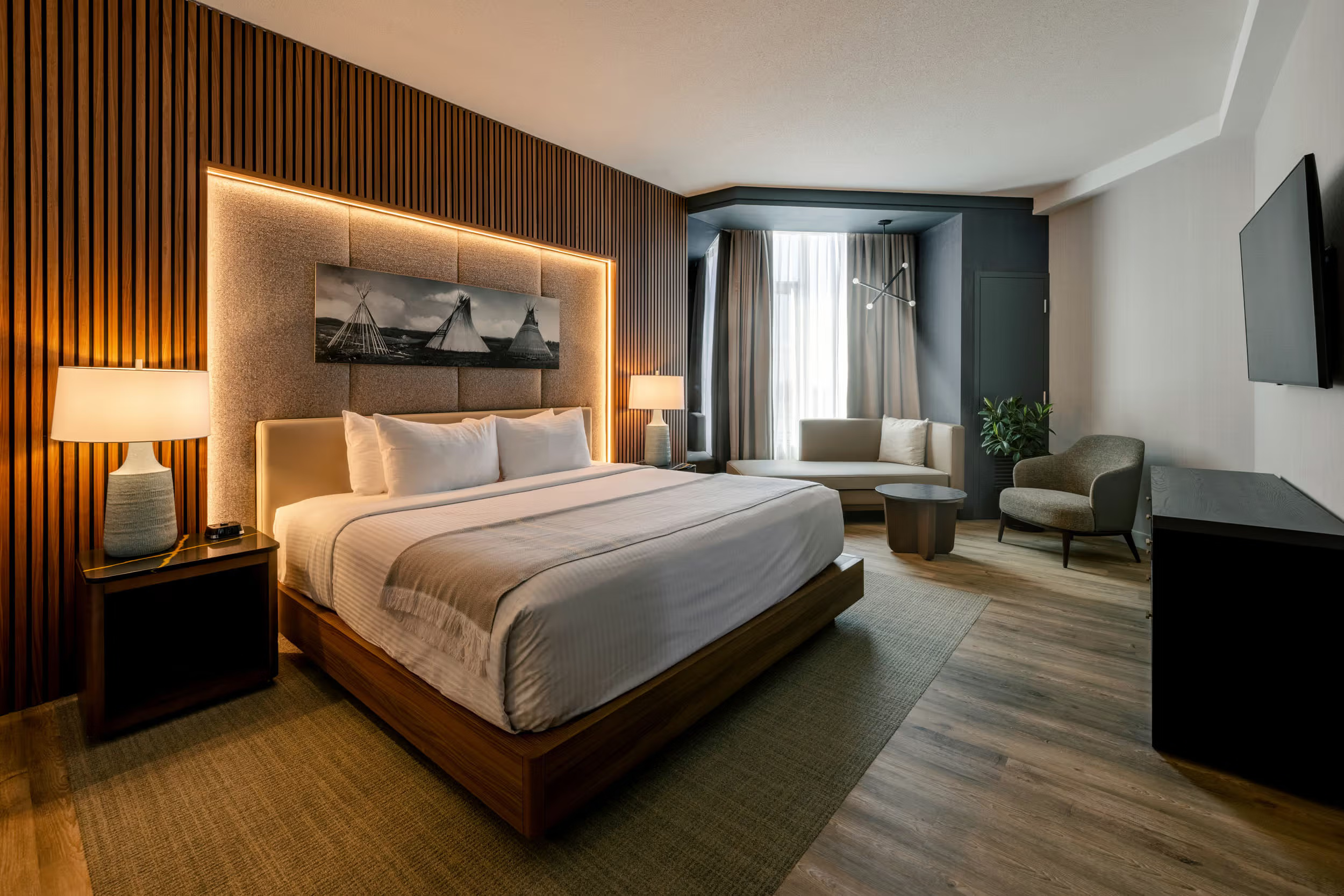
Quiet luxury materiality in hospitality is not the absence of detail. It is the strategic relocation of detail from the eye to the hand. The primary signifier of wealth has shifted from bold logos to authentic materials, and from ostentatious statements to quiet substance. High-end guests no longer scan a room merely for visual status cues. They touch the environment, and that tactile contact either delivers on expectation or falls flat.
According to the research behind this movement, 75% of luxury travelers prioritize rare, sensory experiences over traditional standardized amenities. A tactile, material-rich environment is one of the few proprietary experiences a hotel property can own outright. That is why material selection in quiet luxury hotel design is a strategic capital expenditure rather than a simple styling decision
What is Quiet Luxury in Hospitality Design?
Quiet luxury in hospitality design represents an intentional pivot toward restraint, understated elegance, and sensory-driven interiors. Rather than relying on high-contrast colors, glossy finishes, or prominent brand logos, quiet luxury relies on authentic textures, muted color palettes, and superior craftsmanship.
In commercial FF&E (Furniture, Fixtures, and Equipment), quiet luxury prioritizes how furniture feels, performs, and wears over time. It replaces artificial finishes with natural stone, solid hardwoods, brushed metals, and soft performance textiles.
Why Texture is the New Gold Standard for Luxury Hotel Room Design
In modern luxury hotel room design, a guest makes physical contact with a small set of primary surfaces—and those touchpoints carry disproportionate weight in shaping their overall stay:
-
The Headboard: A primary focal point and tactile anchor where guests lean back to read, work, or relax.
-
The Lounge Chair: A personal sanctuary where guests settle in with coffee or an evening drink.
-
The Vanity Edge & Casegoods: Hard surfaces gripped, touched, and leaned against every morning.
Achieving Depth Without Clutter
The primary technical goal in modern guest room layouts is achieving depth without visual clutter. A soft bouclé lounge chair placed beside grain-matched walnut casegoods, finished with brushed rather than polished metal, reads as composed and elevated rather than busy.
Three or four materials in genuine conversation always outperform ten in competition. The eye rests, while the hand continues to discover.
This is the discipline behind the wave of properties defining the current cycle. More than 2,700 hotels opened globally in recent years, many exemplifying a laidback luxury built on restrained palettes and exceptional surfaces. Comfort in these rooms isn't decorative; it is the direct output of specifying surfaces that reward contact instead of merely surviving it.
The Economics of Quiet Luxury: Investing in Longevity vs. Trend-Led Cycles
The aesthetic argument for quiet luxury converts directly into a compelling procurement model. The global quiet luxury aesthetic market is projected to reach $33.4 billion by 2033, signaling to procurement teams and hotel owners that this is a structural reorientation of traveler demand rather than a seasonal trend. Furthermore, 68% of luxury consumers prefer investing in long-lasting, high-quality pieces—the same instinct that drives a guest's wardrobe choice drives their judgment of a hotel room.
In commercial hospitality, low-grade finishes fail quickly because volume exposes their flaws:
-
A wood veneer that chips at month eight
-
A fabric that pills across the seat deck
-
A loose joint in a high-traffic lounge chair arm
Each defect is read by the guest as a direct statement about the hotel brand's standards, not about the third-party supplier.
Trend-Led Investment vs. Material-Led Investment
|
Trend-led investment |
Material-Led Investment (Quiet Luxury) |
|---|---|
|
Specified strictly for photography & short-term social media appeal |
Specified for physical touch, weight, and ergonomic hand |
|
Refreshed frequently on a rapid, style-driven cycle |
Replaced predictably on a planned wear cycle |
|
Visual impact depreciates quickly under heavy hotel occupancy |
Natural patina evolves into a sign of authenticity and provenance |
|
Low initial cost reappears as premature replacement expenses |
Capital cost amortizes cleanly over years of reliable service |
Mastering Stealth Durability in Luxury Hospitality Interior Design
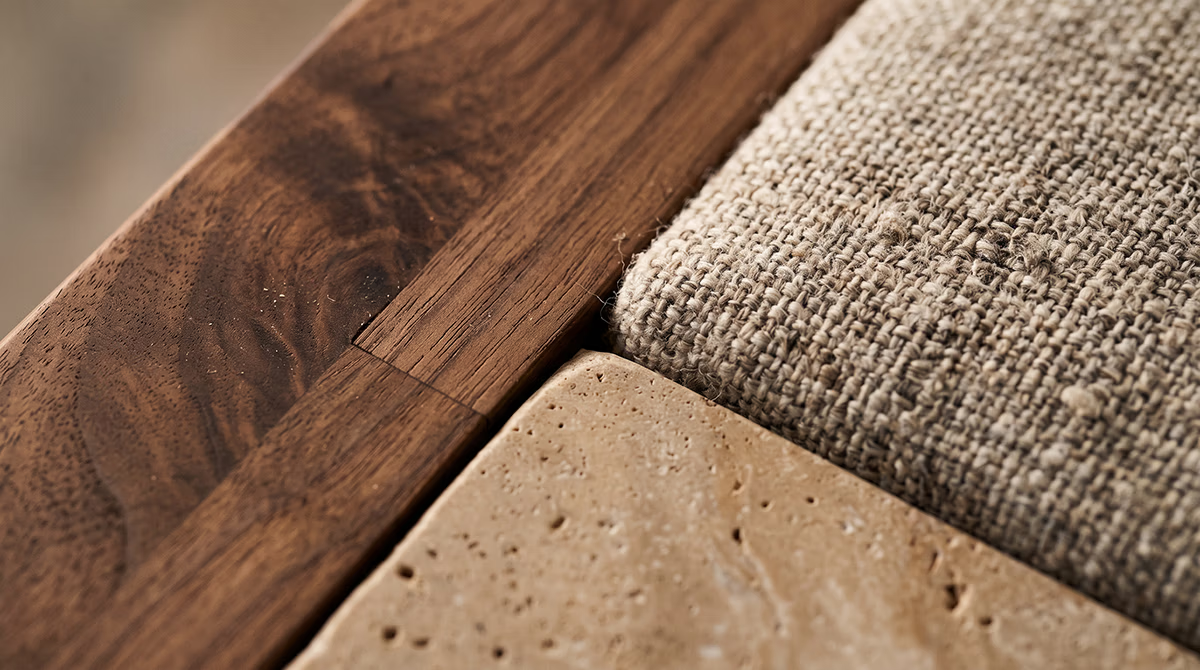
The central technical challenge in modern luxury hospitality interior design is clear: the materials guests associate with quiet luxury come from a residential vocabulary, but residential materials are not built to endure 300 occupants a week.
The brief for designers and procurement managers is to deliver a soft residential sensation on a heavy-duty commercial substrate.
Three Specifications to Hold Firm On in FF&E Procurement:
-
Textiles Rated for Heavy Commercial Abrasion: Upholstery must meet high Wyzenbeek double-rub ratings (100,000+ double rubs), feature inherent stain resistance, and comply with strict flammability codes (such as CAL 117 or NFPA 260) without exhibiting a stiff or plastic hand.
-
Commercial-Grade Frames & Joinery: Utilize kiln-dried hardwoods with corner-blocked, double-doweled joinery engineered for heavy commercial load cycles. Opt for repairable connections rather than sealed disposable assemblies.
-
Finishes & Edges Specified for High Impact: Low-VOC protective sealers and impact-resistant edging applied at the exact physical points guests touch most: vanity fronts, chair arms, and headboard corners.
Questions to Ask Your Hotel Furniture Manufacturer
-
What abrasion, flammability, and stain-resistance ratings do the specified fabrics carry?
-
How is the frame constructed, and can joints be repaired on site or in a workshop?
Can finishes, stone, and wood species be matched for future reorders? Is warehousing or replacement procurement available after opening?
Strategic Material Selection Across High-Traffic Hotel Zones
Texture is a budget. Spend it where human hands land most frequently.
The Hotel Lobby & Reception
Lounge seating is the hotel's first physical introduction. Specify rich performance fabrics with enough weight to keep seating anchored and stable when guests sit down. Natural stone on reception surfaces and brass hardware reinforce the first impression through touch.
The Guest Rooms
Casegoods and vanities communicate permanence. Natural stone tops and continuous wood grains age gracefully, complemented by tactile headboard upholstery. These are the surfaces guests touch the most, so they deserve the largest share of the material budget.
The Restaurant & Bar
Banquettes and dining chairs undergo continuous cycling. Stealth durability demands stain-resistant performance weaves, sealed seams, and protective edge detailing that maintain a residential ambiance.
Key Principles for Designing Quiet Luxury Hotels in 2026
When specifying furniture and finishes for a property pursuing a quiet luxury direction, follow these four core principles:
-
Prioritize tactile variety over visual complexity. A restrained palette with three or four genuinely distinct textures delivers the rare, sensory experience that luxury guests rank above conventional amenities.
-
Treat material quality as capital expenditure. The projected growth of the quiet luxury aesthetic market reflects sustained demand for durable, high-quality goods. Contract-grade specification is an investment in long-term brand relevance as much as durability.
-
Pursue stealth durability. Specify furniture that reads as warm and residential while performing to commercial standards: performance textiles with a soft hand, repairable joinery, and durable finishes engineered for high-touch areas.
-
Leverage custom manufacturing for brand distinction. Quiet luxury cannot be achieved through widely available catalog pieces alone, because distinctive materiality is what differentiates one restrained interior from another.
Quiet Luxury Hotel Design: Frequently Asked Questions
What is quiet luxury in hotel design?
Quiet luxury in hotel design is an approach that expresses high-end quality through restrained palettes, authentic materials, and superior craftsmanship instead of logos, gloss, or bold statements. The value is felt through touch, sound, and comfort.
Why do materials matter so much in luxury hotel room design?
Guests physically interact with a small number of surfaces, including headboards, lounge chairs, vanities, and casegoods. The quality of those touchpoints shapes how the entire stay is judged, so material selection has a direct effect on guest perception and brand standards.
What materials define quiet luxury in hospitality?
Natural stone, solid hardwoods, brushed metals, and soft performance textiles such as wool, linen, and bouclé are the core materials. They are chosen for authenticity, texture, and the way they age.
What is stealth durability in hotel furniture?
Stealth durability means furniture that feels residential and warm but is built to commercial standards, with abrasion-rated fabrics, reinforced and repairable joinery, and impact-resistant finishes.
How should hotels specify FF&E for quiet luxury?
Start with performance requirements: abrasion ratings of 100,000+ double rubs, compliance with codes such as CAL 117 or NFPA 260, kiln-dried hardwood frames with corner-blocked, double-doweled joinery, and protective edging at high-touch points. Then select a limited palette of three or four textures that work together.
Is quiet luxury a lasting trend in hospitality?
The quiet luxury aesthetic market is projected to reach $33.4 billion by 2033, and 68% of luxury consumers prefer long-lasting, high-quality pieces. Both figures point to a structural shift in demand rather than a passing trend.
Should hotels choose catalog or custom furniture for a quiet luxury look?
Catalog pieces can be a strong starting point, but custom manufacturing allows a property to specify its own textures, wood species, and silhouettes, which is what separates one restrained interior from another.
Partnering with CFS Hospitality for Custom Hotel Furniture
Quiet luxury succeeds or fails at the specification sheet. The design vision of restraint, warmth, and surfaces that reward contact only survives a commercial hotel environment if the pieces behind it were engineered for that environment from the start.
CFS Hospitality exists at that intersection. The company supplies and creates intentional, high-quality furniture for hotels and restaurants, pairing quiet luxury aesthetics with commercial-grade durability across vanities, headboards, sofas, and lounge chairs.
Projects can start with an exceptional curated catalog or move into fully custom solutions, so distinctive textures, specific wood species, or brand-defining silhouettes meet strict commercial requirements.
Working with interior designers and procurement teams across North America, from luxury boutique hotels to international hotel chains, CFS Hospitality supports the full lifecycle of a specification. This includes dedicated warehousing options and replacement procurement, so a property's materiality holds its standard years after opening.
If your next hospitality project calls for contract-grade luxury furniture that guests register through touch rather than signage, start the conversation with CFS Hospitality about a custom program. Bring the drawings, the palette, and the performance requirements, and the custom manufacturing plan follows from there.

